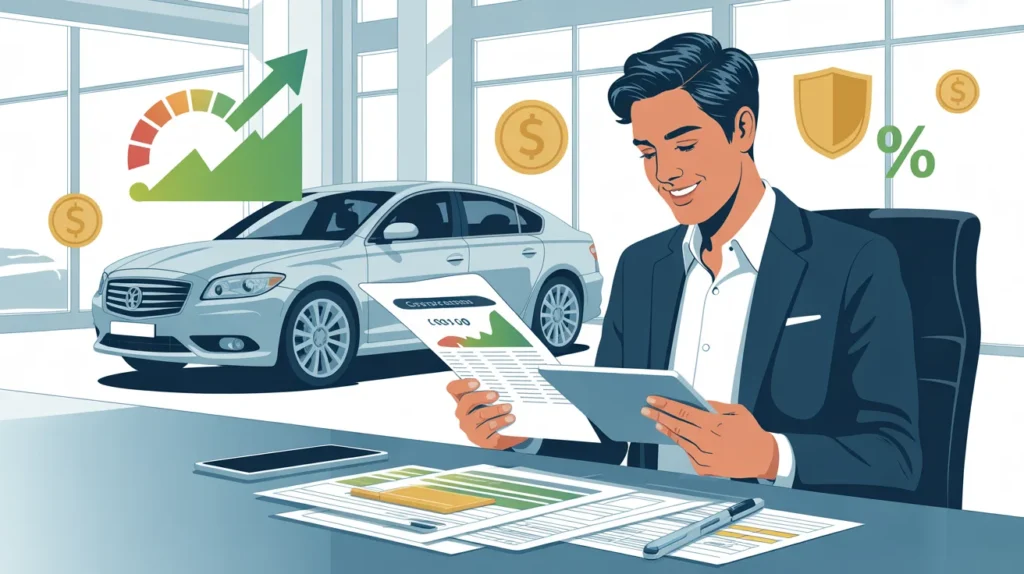
Buying a vehicle when your credit score is low can feel stressful and discouraging. Many buyers assume they won’t qualify for financing or believe they’ll be stuck with extremely high interest rates. The reality is that learning how to get a car with bad credit can open the door to financing options you might not realize exist. With the right approach, you can secure a reliable vehicle while avoiding unfair deals and predatory lenders.
This guide explains how to get a car with bad credit without getting ripped off. You’ll learn practical financing strategies, common warning signs to watch for, and proven steps that can help you find a fair auto loan and a dependable car.
Understanding Bad Credit and Car Loans
Before applying for financing, it’s important to understand how lenders define bad credit and how it affects your ability to qualify for a loan.
Credit scores are generally divided into the following ranges:
- Excellent: 750 – 850
- Good: 700 – 749
- Fair: 650 – 699
- Poor: 600 – 649
- Bad: Below 600
Most traditional banks prefer borrowers with credit scores above 650. However, many subprime lenders and dealerships specialize in helping people who are learning how to get a car with bad credit, often working with borrowers whose scores fall between 500 and 600.
When lenders see a low credit score, they view the borrower as a higher financial risk. Because of this, the loan terms may include certain conditions, such as:
- Higher interest rates to offset the risk
- A larger down payment to reduce the amount financed
- Shorter loan terms to minimize long-term risk
- A co-signer requirement to provide additional security
Understanding these factors is an important part of how to get a car with bad credit, because it prepares you for what lenders may offer and helps you negotiate better financing terms. By knowing what to expect, you can make smarter decisions and avoid costly mistakes when shopping for a car loan.
Check Your Credit Score First
If you want to understand how to get a car with bad credit, the first step is reviewing your credit report before you start shopping. Your credit report shows lenders how you’ve handled debt in the past, and it plays a major role in determining whether you’ll be approved for an auto loan and what interest rate you’ll receive.
Carefully check your report for common issues such as:
- Incorrect late payments that were actually made on time
- Accounts that don’t belong to you
- Old collections that should have been removed
- Incorrect balances or account information
If you find mistakes, you can dispute them with the credit bureau. Correcting errors may raise your credit score quickly, which can improve your chances of getting approved for better loan terms. This simple step can make a big difference when learning how to get a car with bad credit without paying unnecessary fees or high interest rates.
Set a Realistic Car Budget
Another important step in how to get a car with bad credit is creating a realistic budget before visiting a dealership. Many buyers focus only on the monthly payment, but that can lead to long loan terms and higher overall costs.
Instead, look at the total cost of owning the vehicle, including:
- Vehicle purchase price
- Interest rate on the loan
- Length of the loan term
- Insurance costs
- Maintenance and repair expenses
Financial experts often recommend keeping your car payment between 10% and 15% of your monthly income. Staying within this range helps prevent financial strain and reduces the risk of falling behind on payments.
A clear budget helps you avoid overpriced vehicles and keeps you focused on cars you can realistically afford.
Save for a Larger Down Payment
Saving money for a down payment is another key part of how to get a car with bad credit. A larger upfront payment lowers the amount you need to borrow and shows lenders that you’re financially committed to the purchase.
Benefits of a larger down payment include:
- Lower loan amount
- Smaller monthly payments
- Better loan approval chances
- Reduced risk for the lender
Ideally, try to put down 10–20% of the vehicle’s price. Even if you can’t reach that amount, any down payment can help improve your loan application and reduce the total interest you’ll pay.
Consider Getting Pre-Approved for a Loan
Getting pre-approved is one of the smartest strategies when researching how to get a car with bad credit. Pre-approval allows you to see how much money a lender is willing to loan you before you step onto a dealership lot.
This process offers several advantages:
- You know your budget ahead of time
- You gain stronger negotiating power with dealers
- You reduce the risk of falling into dealer financing traps
- You can compare interest rates from multiple lenders
Potential lenders to consider include:
- Credit unions
- Online auto lenders
- Community banks
- Subprime auto loan providers
Credit unions are often a great option because they frequently offer lower interest rates and more flexible approval requirements, even for borrowers with less-than-perfect credit.
Taking the time to get pre-approved can make the process of how to get a car with bad credit much smoother and help you avoid overpaying for your vehicle.
Look for Cars That Fit Your Financing Options
When you have bad credit, it’s best to choose vehicles that are:
- Affordable
- Reliable
- Widely available for parts and repairs
Used vehicles often make the most sense because they cost less and reduce the amount you need to finance.
Some lenders may also restrict financing on cars that are:
- Too old
- Have extremely high mileage
- Have salvage titles
Choosing the right vehicle improves approval chances and keeps your loan manageable.
Watch Out for Predatory Dealership Practices
Unfortunately, buyers with bad credit are often targeted by unethical dealerships. Being aware of common scams can help you avoid losing money.
Yo-Yo Financing
In this scam, the dealer lets you take the car home before financing is finalized. Later, they claim the loan wasn’t approved and pressure you into accepting worse terms.
Tip: Never take a car home until financing is fully confirmed.
Payment Packing
Some dealers add unnecessary extras to increase the monthly payment, such as:
- Extended warranties
- Paint protection
- GAP insurance
- Service packages
Always review the contract carefully and decline add-ons you don’t need.
Buy Here, Pay Here Dealerships
These dealerships provide financing directly but often charge extremely high interest rates and strict repayment terms.
While some buyers may need these options, it’s usually better to try:
- Credit unions
- Online lenders
- Traditional dealerships with subprime financing
Compare Loan Offers Carefully
Never accept the first financing offer you receive.
Compare:
- Interest rates (APR)
- Loan terms
- Monthly payments
- Total cost of the loan
Even a 2–3% difference in interest rate can save you hundreds or thousands of dollars over the life of the loan.
Consider a Co-Signer
A co-signer with strong credit can significantly improve your loan approval odds.
Benefits include:
- Lower interest rates
- Higher loan approval chances
- More favorable terms
However, remember that a co-signer becomes legally responsible for the loan if you miss payments.
Only consider this option if both parties clearly understand the risks.
Improve Your Credit Before Buying (If Possible)
If purchasing a car isn’t urgent, spending a few months improving your credit score can make a big difference.
Helpful strategies include:
- Paying down credit card balances
- Making all payments on time
- Avoiding new credit applications
- Keeping credit utilization low
Even a small increase in your credit score could qualify you for better financing.
Read the Contract Carefully
Before signing anything, review the entire loan agreement.
Pay close attention to:
- Interest rate (APR)
- Total loan amount
- Loan duration
- Additional fees
- Prepayment penalties
If something seems confusing or unclear, ask questions or seek financial advice before signing.
Build Credit with Your Car Loan
Once you secure a car loan, making on-time payments every month can help rebuild your credit score.
Over time, this can allow you to:
- Refinance the loan at a lower rate
- Qualify for better financing in the future
- Improve overall financial stability
Consistent payments are one of the most effective ways to rebuild damaged credit.
Final Thoughts
Learning how to get a car with bad credit doesn’t mean you have to settle for unfair loan terms or fall victim to aggressive sales tactics. With the right preparation and knowledge, it’s possible to find financing that fits your budget and protects your financial well-being.
Start by checking your credit report, setting a realistic budget, and comparing offers from multiple lenders. Taking these steps helps you better understand your options and prevent you from accepting overpriced loans or unnecessary add-ons. Carefully reviewing every loan agreement is also essential when figuring out how to get a car with bad credit without getting ripped off.
It’s also important to consider the ongoing costs of owning a vehicle, including insurance. Some buyers wonder whether it’s possible to have more than one insurance policy on a vehicle. If you’re curious about this topic, you can learn more in this guide:
can you have 2 insurance policies on one car.
Most importantly, patience and research can save you a significant amount of money. By exploring different financing sources, understanding insurance requirements, and avoiding predatory lenders, you can confidently purchase a reliable vehicle while also working toward improving your credit and strengthening your financial future.