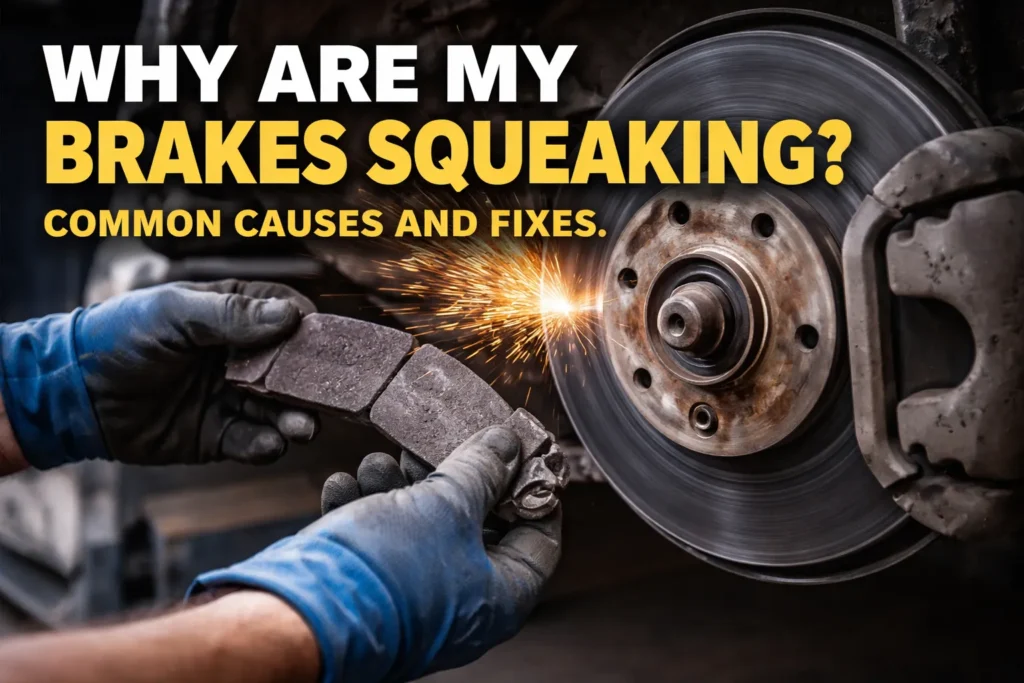
Brake squeaking is one of the most common—and often most alarming—noises that drivers encounter. While a brief squeal may sometimes be a minor nuisance, in many cases it can signal a problem that affects your vehicle’s safety and braking performance. Recognizing why brakes squeak, understanding the potential causes, and knowing how to address them is essential for every car owner. Ignoring persistent brake noises can lead to costly repairs, decreased braking efficiency, and even unsafe driving conditions.
In this guide, we’ll explore the most frequent reasons brakes squeak, explain how to identify each issue, and outline practical fixes that will help restore quiet, smooth braking.
Understanding Brake Squeaks
Brake squeaking is one of the most noticeable and sometimes alarming noises drivers encounter. A high-pitched squeal or squeaking sound when applying the brakes generally indicates that something in your braking system is not functioning optimally. Brakes rely on friction between the brake pads and rotors to slow or stop your vehicle, and while some noise is normal, persistent squeaking often points to underlying issues that should not be ignored.
Brake squeaks can arise from multiple sources, including:
- Normal wear of brake pads
- Contamination on the rotor or pad
- Improper installation or worn hardware
- Defective components
- Driving conditions or environmental factors
Correctly identifying the root cause is essential. Ignoring brake noises can lead to reduced braking efficiency, accelerated wear of components, and, in extreme cases, compromised safety on the road.
Common Causes of Brake Squeaking
Brake squeaking is a frequent concern for drivers, and while some noises are harmless, persistent squeals often signal an underlying issue. Understanding the common causes of brake squeaking helps identify problems early, maintain safe braking performance, and prevent more costly repairs down the line. Squeaks can result from normal wear, material issues, installation problems, or environmental factors. Below, we explore the main causes and practical solutions.
1. Worn Brake Pads
Most modern brake pads are equipped with a metal wear indicator—a small metal tab designed to contact the rotor when the pads are nearing the end of their service life. This contact produces a high-pitched squeal to alert the driver that replacement is necessary.
Signs of worn pads:
- Continuous squealing during braking
- Reduced stopping power or longer braking distances
- Brake warning light illuminated on the dashboard (on some vehicles)
Fix:
- Replace worn brake pads promptly to maintain safety
- Opt for high-quality ceramic or semi-metallic pads for longer life and quieter operation
- Always replace pads in pairs (front or rear) to maintain balanced braking
2. Glazed Brake Pads or Rotors
Glazing occurs when brake pads or rotors overheat, forming a smooth, hardened surface. This reduces friction, causing high-pitched squeals during braking and reducing stopping efficiency.
Common causes of glazing:
- Excessive or repeated hard braking
- Long descents on steep hills without proper braking technique
- Using low-quality brake pads that cannot handle heat well
Signs of glazing:
- Squealing mostly during light braking
- Noticeable reduction in braking efficiency
- Pads or rotors appear shiny, smooth, or glass-like
Fix:
- Replace or resurface glazed rotors
- Install new brake pads
- Avoid prolonged heavy braking; use engine braking when descending hills to reduce heat buildup
3. Loose or Worn Brake Hardware
Brake clips, shims, and caliper pins help secure pads and minimize vibration. If these components are worn, missing, or improperly installed, the pads can vibrate against the rotor, creating squeaks.
Signs of loose hardware:
- Noise mostly during light braking
- Vibrations felt in the brake pedal or steering wheel
Fix:
- Inspect and replace any damaged or missing clips, shims, or pins
- Apply high-temperature brake grease to moving hardware to reduce vibration and noise
4. Brake Dust Accumulation
Brake pads naturally produce dust as they wear down. Over time, dust can form a thin abrasive layer between the pad and rotor, creating squealing or squeaking noises.
Signs of brake dust issues:
- Noise mostly occurs during light braking or after rain
- Visible dust on wheels, especially after a long drive
Fix:
- Clean the brake components with a dedicated brake cleaner spray
- Regularly wash wheels to remove accumulated dust
- Consider upgrading to ceramic brake pads, which produce significantly less dust
5. Moisture or Rust on Rotors
Why it causes squeaking:
After rain, car washes, or overnight parking, a thin layer of rust can form on rotor surfaces. This layer causes temporary squeaking during the first few braking applications.
Signs of rust:
- Squeaks only occur during the first stops after exposure to moisture
- Noise disappears after driving a short distance and repeated braking
Fix:
- Usually, normal driving will wear away surface rust
- For heavier corrosion, rotors may need resurfacing or replacement
6. Poor-Quality Brake Pads
Low-quality or budget brake pads often contain metal fillers or inconsistent materials that are prone to vibration, chatter, or squeak.
Signs of poor-quality pads:
- Persistent squealing even with new pads
- Noise remains constant regardless of braking style or conditions
Fix:
- Upgrade to high-quality ceramic or semi-metallic brake pads
- Use OEM-recommended pads designed for your specific vehicle to ensure proper fit and performance
7. Caliper Problems
Brake calipers apply pressure to the pads to create friction with the rotors. If a caliper sticks, is misaligned, or does not slide properly, it can cause uneven pad contact, producing squeaks and reducing braking performance.
Signs of caliper issues:
- Squeaking originates from only one wheel
- Vehicle pulls to one side while braking
- Heat or burning smell from the affected wheel
Fix:
- Inspect calipers for proper movement and alignment
- Lubricate caliper slides and replace any malfunctioning units
- Ensure calipers are installed and torqued according to manufacturer specifications
How to Prevent Brake Squeaking
Preventing brake noise starts with proper maintenance, quality components, and good driving habits. By taking these steps, you can reduce or eliminate squeaks and maintain safe, reliable braking performance.
1. Regular Inspections
Check your brake pads, rotors, calipers, and hardware at least every 10,000–15,000 miles, or sooner if you notice unusual noises. Regular inspections help catch worn pads, glazing, or loose hardware before they cause persistent squeaking. If you’re asking yourself, “why are my brakes squeaking?”, early inspections often reveal the culprit before it becomes a serious issue.
2. Use Quality Components
Investing in OEM or high-quality aftermarket brake pads and rotors can make a significant difference. Premium ceramic or semi-metallic pads generate less noise, resist glazing, and produce minimal brake dust compared to low-quality pads, which are a common reason drivers wonder, “why are my brakes squeaking?”
3. Avoid Aggressive Braking
Frequent hard stops generate excessive heat, which can cause pad glazing and rotor warping—both of which lead to squeaks. Practicing smooth, gradual braking not only extends pad life but also reduces the likelihood of irritating squealing noises.
4. Clean Brake Components Regularly
Brake dust, dirt, and debris buildup are often overlooked causes of squeaking. Cleaning your rotors, pads, and calipers with a brake-safe cleaner can remove these contaminants, preventing friction-induced noise. Keeping your brakes clean is a simple yet effective way to answer the question, “why are my brakes squeaking?” before it turns into a bigger problem.
5. Ensure Proper Installation
Incorrectly installed brake pads, clips, or shims can vibrate and cause squeaking. When replacing components, make sure everything is installed correctly, lubricated with high-temperature brake grease where needed, and tightened to manufacturer specifications. Proper installation prevents vibrations that often trigger squeaks.
When to See a Mechanic
Even with preventive care, some brake noises indicate issues that require professional attention. If you are asking, “why are my brakes squeaking?”, consider seeing a mechanic immediately if you notice:
- Grinding or scraping sounds, which could indicate metal-on-metal contact
- Reduced braking efficiency or longer stopping distances
- Brake warning lights on the dashboard
- Vehicle pulling to one side while braking
- Excessive heat or a burning smell coming from the brakes
Prompt diagnosis by a qualified technician can prevent further damage and ensure your vehicle remains safe on the road.
Final Thoughts
Brakes are one of the most critical safety components on any vehicle, and squeaking is often the first sign that something needs attention. Causes of squeaking range from worn brake pads and glazed rotors to loose hardware, rust, or substandard components. If you’ve been asking, “why are my brakes squeaking?”, understanding the potential causes empowers you to take corrective action—whether that’s replacing pads, resurfacing rotors, cleaning brake components, or repairing calipers.
By practicing regular maintenance, choosing high-quality parts, and driving responsibly, you can enjoy quiet, responsive, and safe braking. Addressing squeaks promptly not only improves comfort but also provides peace of mind every time you drive, knowing your brakes are functioning properly.