A dead car battery can be frustrating, especially when you are in a hurry to go somewhere important. Most people immediately think of calling a mechanic, but the truth is that learning how to change a car battery is one of the simplest vehicle maintenance skills you can master. With basic tools, proper safety precautions, and a little patience, you can replace your car battery at home without professional help.
Learning how to change a car battery not only helps you save money but also gives you confidence in handling basic car maintenance emergencies. It also helps you avoid being stranded due to sudden battery failure. In this guide, we will cover everything in detail — from recognizing battery failure signs to safely installing a new battery when you need to perform how to change a car battery maintenance yourself.
Signs Your Car Battery Needs Replacement
Before replacing a battery, it is important to confirm that the battery is actually failing. Car batteries usually show warning signs before completely dying.
Engine Cranks Slowly
If the engine struggles to start or takes longer than usual to turn over, it usually means the battery is losing power. This happens because the battery can no longer provide sufficient electrical current to start the engine efficiently.
Clicking Sound When Starting the Car
If you hear a clicking sound when turning the key, it usually means the battery is too weak to send enough power to the starter motor. This is one of the most common early warning signs of battery failure.
Dashboard Battery Warning Light
Most modern vehicles have warning indicators on the dashboard. If the battery symbol lights up, it may indicate battery failure or charging system problems.
Dim Lights and Electrical Issues
If headlights, interior lights, or dashboard lights appear dim, the battery may not be delivering consistent electrical power. You may also notice problems with power windows, radio systems, or central locking mechanisms.
Battery Age
Car batteries typically last 3–5 years depending on driving conditions and weather. Hot climates can shorten battery lifespan, while moderate climates may extend it.
If your battery frequently dies even after charging, replacement is usually the best solution.
Tools and Materials You Will Need
Preparing tools beforehand makes the process safer and faster.
New Car Battery
Make sure you buy the correct battery size, voltage, and terminal configuration for your vehicle model. Using the wrong battery can cause electrical system damage.
Wrench or Socket Set
Most battery terminals use 8mm, 10mm, or 13mm bolts. Having multiple sizes available is helpful.
Battery Terminal Cleaner or Wire Brush
These help remove corrosion buildup that can interfere with electrical connections.
Protective Gear
Wear rubber or mechanic gloves and safety glasses. Car batteries contain acid and can produce sparks if mishandled.
Optional Supplies
Battery terminal protectant spray can help prevent future corrosion.
Always check your vehicle’s manual to confirm battery specifications before purchasing a replacement.
Safety Precautions Before You Start
Safety is extremely important when working with car batteries because they contain sulfuric acid and produce electrical current.
Always follow these precautions:
- Park the car on a flat surface
- Turn off the engine completely
- Remove keys from the ignition
- Engage the parking brake
- Avoid smoking or open flames near the battery
- Wear protective gloves and glasses
- Keep metal tools away from both terminals simultaneously
Never allow a metal wrench to touch both battery terminals at the same time, as this can create dangerous electrical sparks.
Step-by-Step Guide to Changing a Car Battery
Changing a car battery may seem intimidating at first, but with careful preparation and attention to safety, it can be done quickly and efficiently. The process involves a few key steps: disconnecting the old battery, removing it safely, preparing the tray and terminals, and installing the new battery correctly. By following each step in order and using the proper tools, you can avoid common mistakes, protect your vehicle’s electrical system, and ensure that the new battery functions reliably. Always take your time, work methodically, and prioritize safety to make the process smooth and stress-free.
Step 1: Locate the Battery
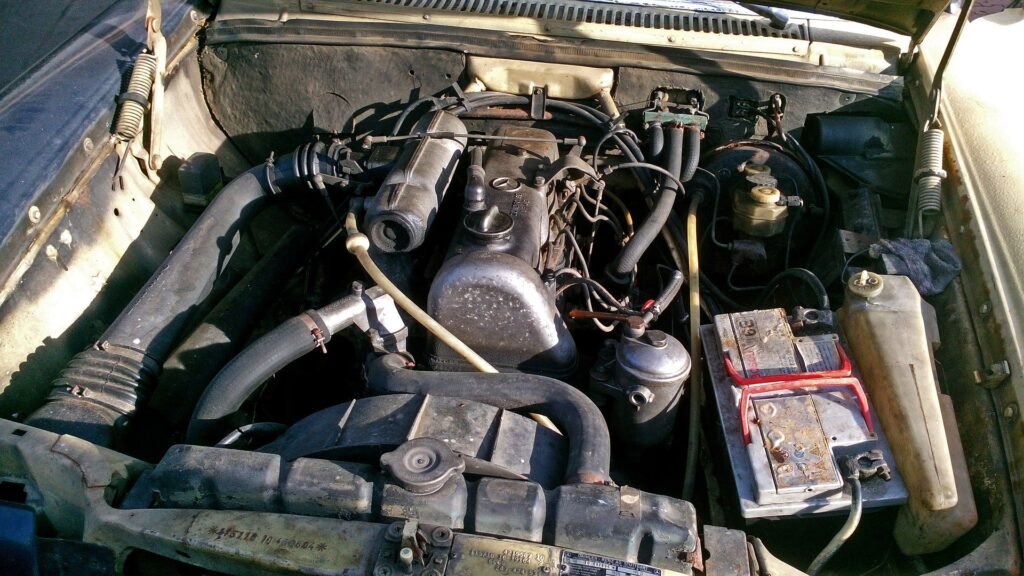
Open the hood and locate the battery. In most vehicles, it is located near the front engine compartment. However, some cars place batteries in the trunk or under seats. If you cannot find it, check the owner’s manual.
Step 2: Identify Battery Terminals
You will see two battery terminals:
- Positive terminal (+) — usually marked red
- Negative terminal (–) — usually marked black
Correct identification is extremely important to avoid electrical short circuits.
Step 3: Disconnect the Negative Terminal First
Use your wrench to loosen the nut on the negative terminal first. Carefully remove the cable and move it away from the battery so it does not accidentally touch the terminal again.
Always disconnect the negative terminal first because it reduces the risk of electrical short circuits.
Step 4: Disconnect the Positive Terminal
After removing the negative cable, loosen and remove the positive terminal cable. Keep both cables away from the battery while working.
Step 5: Remove the Battery Hold-Down Clamp
Most batteries are secured using metal brackets or clamps. Remove these carefully using a wrench and store the bolts safely so they are not lost.
Step 6: Remove the Old Battery Carefully
Car batteries are heavy, typically weighing between 30 and 50 pounds. Lift the battery straight up using both hands. Keep the battery upright to prevent acid leakage.
If the battery is stuck due to corrosion, gently wiggle it rather than forcing it out.
Step 7: Clean Battery Tray and Terminals
Before installing the new battery, clean the battery tray and cable connectors.
Corrosion often appears as white, blue, or green powder on terminals. Use a wire brush to remove buildup.
Clean connections help improve electrical conductivity and ensure reliable starting performance.
Step 8: Install the New Battery
Place the new battery into the tray in the same orientation as the old one. Always double-check terminal positioning to avoid reverse connection mistakes.
Step 9: Secure the Battery
Reinstall the hold-down clamp and tighten it securely. The battery should not move when the car is driving.
Step 10: Reconnect the Terminals (Positive First)
Follow this order carefully:
- Connect positive (+) terminal first
- Connect negative (–) terminal second
Tighten connections firmly but do not overtighten because this can damage terminal posts.
Step 11: Test the Vehicle
Close the hood and start the car. If the engine starts smoothly and electrical systems function normally, the installation is successful.
How Long Does It Take?
Replacing a car battery does not require a large time commitment. For beginners, the process usually takes around 20–30 minutes. This extra time allows for carefully reviewing safety steps, identifying the correct terminals, and ensuring everything is installed properly. For experienced individuals who are familiar with basic car maintenance, the job can often be completed in 10–15 minutes. Overall, battery replacement is considered a quick and manageable DIY task compared to many other vehicle repairs.
Cost of Battery Replacement
The total cost of replacing a car battery depends on several factors, including your vehicle type, battery brand, and battery technology. If you replace the battery yourself, you will typically spend between $100 and $250 for a standard battery. Higher-end batteries, such as AGM or performance batteries, may cost more due to their durability and improved performance.
If you choose professional installation, the total expense generally ranges from $150 to $400, which includes both the battery and labor charges. Luxury vehicles, hybrids, and cars with advanced electrical systems may require specialized batteries that increase overall costs.
Common Mistakes to Avoid
When changing a car battery, certain mistakes can lead to safety risks or vehicle damage. Avoid these common errors:
- Disconnecting the positive terminal before the negative terminal
- Installing the battery in the wrong direction
- Failing to properly secure the battery clamp
- Leaving terminals loose or not tightening them sufficiently
- Using a battery that does not match your vehicle’s specifications
These mistakes can cause electrical short circuits, starting problems, or damage to sensitive electronic components.
What to Do With the Old Battery
Old car batteries contain hazardous materials such as lead and acid, so they should never be thrown away with household garbage. Proper disposal is important for environmental safety.
You can dispose of your old battery by:
- Returning it to an auto parts store
- Taking it to a certified recycling center
- Leaving it with a service garage or mechanic shop
Many retailers offer a core charge refund when you return your old battery after purchasing a new one, which can help offset the replacement cost.
When to Seek Professional Help
Although replacing a battery is generally simple, professional assistance may be necessary in certain situations. Consider seeking help if:
- The battery is located in a difficult or hard-to-reach area
- Your vehicle requires a system reset after battery replacement
- You are not comfortable working with electrical components
- There is heavy corrosion or visible damage around the battery area
Modern vehicles often rely on complex electronic systems that may require specialized tools or diagnostic equipment.
Final Thoughts
Changing a car battery is one of the most practical and accessible car maintenance tasks you can learn when learning how to change a car battery. With the right tools and proper safety precautions, the process can be completed quickly and confidently.
Always follow the essential rule of how to change a car battery correctly: disconnect the negative terminal first and reconnect the positive terminal first. Maintaining the correct order and ensuring tight, secure connections will help protect your vehicle’s electrical system.
By learning how to change a car battery and replacing your battery on time while performing routine maintenance, you can prevent unexpected breakdowns and keep your vehicle running smoothly for years to come.