Learning how to drive a manual car can be one of the most rewarding experiences for any driver. Unlike automatic vehicles, a manual car requires you to actively engage with the clutch, gear stick, and accelerator, giving you full control over the engine and how the car responds. Many drivers prefer manual cars because they offer better fuel efficiency, improved engine control, and a more connected, enjoyable driving experience.
For beginners, understanding how to drive a manual car may seem intimidating at first. Coordinating the clutch, gear shifts, and accelerator simultaneously can feel complex, and it’s common to stall the car or make jerky movements during initial practice. However, with step-by-step guidance, patience, and consistent practice, anyone can learn this skill effectively.
In this guide on how to drive a manual car, we’ll take you through everything you need to know—from understanding the vehicle’s components to practical driving tips, common mistakes to avoid, and essential safety precautions. By the end of this guide, you’ll feel confident behind the wheel and ready to take on city streets, highways, and inclines, mastering the full experience of driving a manual car.
Understanding a Manual Car
Before you even start the engine, it’s important to understand the key components of a manual transmission vehicle:
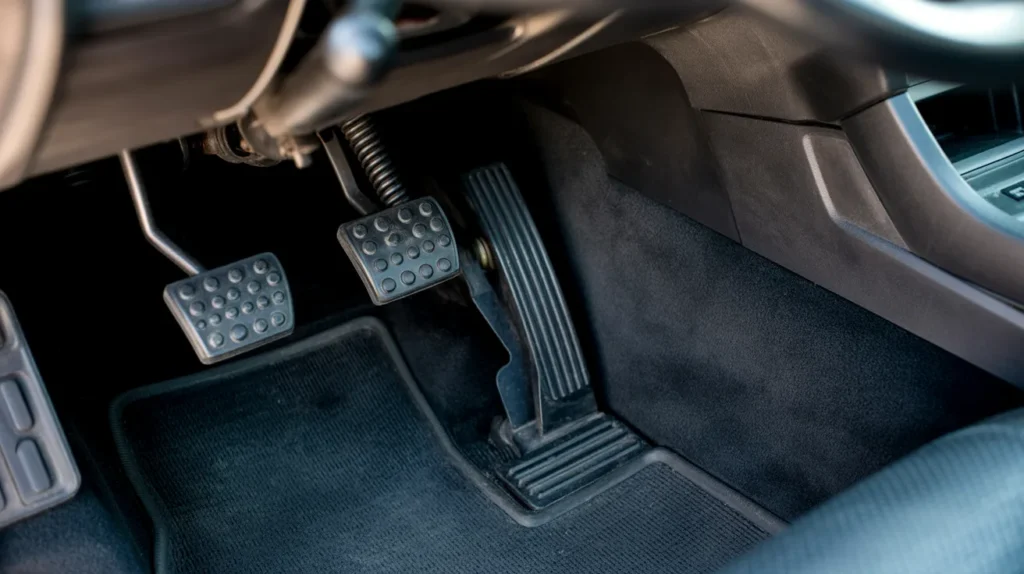
Clutch Pedal
The clutch is located on the far left and is used to engage and disengage the engine from the gearbox. Pressing the clutch allows you to change gears smoothly without damaging the engine. Releasing the clutch re-engages the engine, sending power to the wheels.
Accelerator (Gas Pedal)
The accelerator controls engine speed. Pressing it gently increases power to the wheels. Coordinating it with the clutch is key to moving smoothly without stalling.
Brake Pedal
Used to slow down or stop the car. In manual driving, it is often used together with the clutch when stopping.
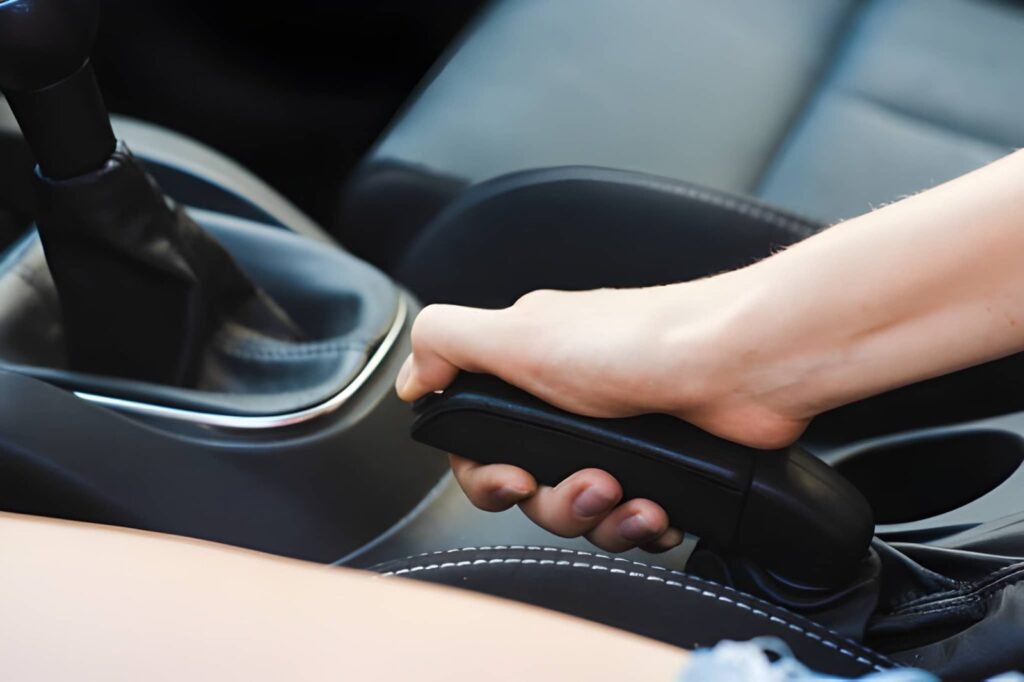
Handbrake (Parking Brake)
Prevents the car from rolling when parked, especially on inclines. It’s also used in hill-starts to prevent rollback.
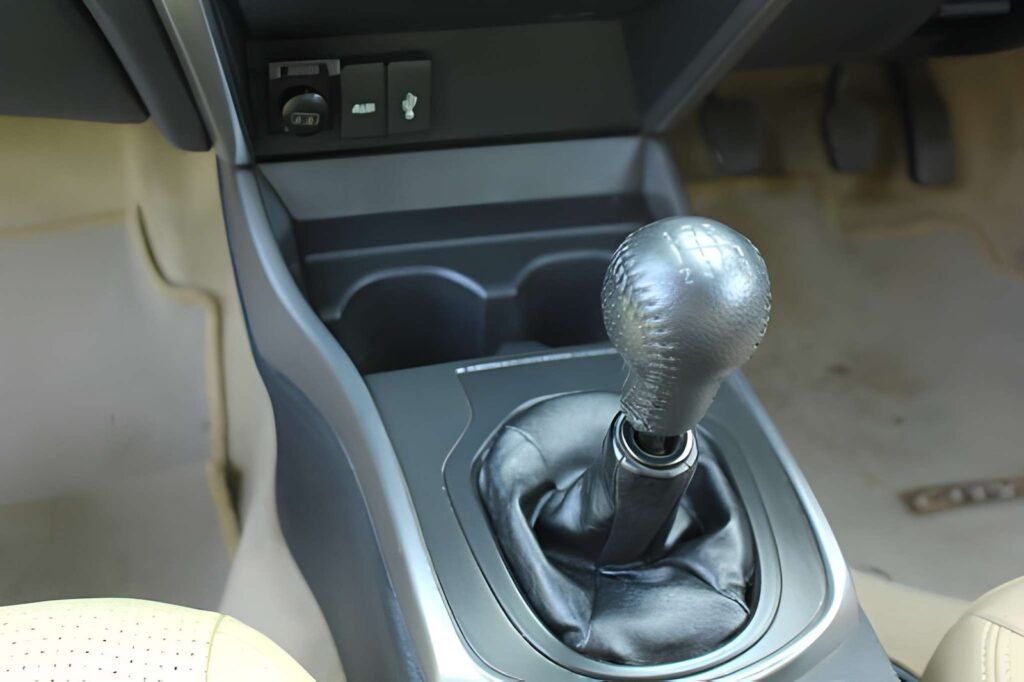
Gear Stick
The gear stick controls the car’s gears and usually follows an H-shaped pattern. Most cars have 5 or 6 forward gears and a reverse gear. Each gear has a specific speed range at which it performs efficiently. Familiarizing yourself with the gear pattern is essential before starting the car.
How the Clutch Works
The clutch temporarily disconnects the engine from the wheels, allowing you to change gears. Pressing the clutch disengages the engine, letting you shift gears, while releasing it re-engages the engine with the wheels. Understanding this balance is critical for smooth driving.
Preparing to Drive
Before starting, preparation ensures safety and control:
Adjust Your Seat, Mirrors, and Steering Wheel
Make sure you can comfortably reach all pedals while keeping a clear view of the road. Adjust your seat so that your legs are slightly bent when pressing the pedals.
Press the Clutch and Brake
Always press the clutch fully and ensure the car is in neutral before starting the engine. This prevents the car from lurching forward unexpectedly.
Understanding Neutral Gear
Neutral is the resting position where no gear is engaged. The car won’t move when in neutral, making it safe to start the engine and prepare for driving.
Step-by-Step Guide to Driving a Manual Car
Driving a manual car involves a coordinated sequence of actions that allow you to start, move, shift gears, and stop safely. Understanding these steps and practicing them in a safe environment is key to gaining confidence behind the wheel. Below is a detailed, step-by-step guide for beginners.
Step 1: Starting the Car
Before moving, press the clutch fully and shift the gear stick into neutral. Turn the ignition key or press the start button. Ensure your handbrake is engaged if necessary and check your mirrors and surroundings before preparing to move.
Step 2: Moving Forward
With the clutch still pressed, shift into 1st gear. Slowly release the clutch until you feel the “biting point,” where the car begins to move, and gently press the accelerator. Focus on smooth, gradual movements to avoid stalling.
Step 3: Changing Gears
Monitor engine speed and road conditions. When the engine revs high or your speed increases, press the clutch fully and move the gear stick to the next appropriate gear. Release the clutch smoothly while pressing the accelerator, maintaining steady acceleration.
Step 4: Stopping the Car
To stop, press the clutch and brake pedals together. Once the vehicle comes to a complete stop, shift into neutral, release the clutch, and gradually release the brake. This prevents engine strain and ensures control.
Step 5: Reversing
Bring the car to a full stop, press the clutch, and shift into reverse gear. Check mirrors and surroundings carefully before moving backward. Release the clutch slowly while gently pressing the accelerator to move smoothly.
Tips for Smooth Manual Driving
Mastering manual driving requires more than following steps—it’s about learning to coordinate pedals, gears, and vehicle control. These tips will help you drive smoothly and confidently.
Avoid Stalling:
Many beginners stall the car by releasing the clutch too quickly. Focus on finding the clutch’s “biting point” and release it gradually while pressing the accelerator.
Clutch and Accelerator Coordination:
Smooth driving requires the right balance between the clutch and accelerator. Press the pedals gently and in coordination, avoiding sudden movements that can make the ride jerky.
Uphill Starts:
Starting on an incline can be tricky. Use the handbrake to prevent rolling backward. Release the handbrake gradually while slowly releasing the clutch and pressing the accelerator to move forward safely.
City vs. Highway Driving:
In city traffic, anticipate stops to avoid excessive clutch use. On highways, use higher gears for efficiency and smoother acceleration. Adjust your driving style according to traffic and road conditions.
Downshifting and Upshifting:
Learn when to shift gears. Upshift as the engine reaches higher RPMs, and downshift to maintain speed when slowing or climbing hills. Smooth gear transitions reduce engine strain and improve fuel efficiency.
Common Mistakes Beginners Make
Even experienced drivers once made common errors. Avoiding these mistakes early will improve your confidence and protect your car.
Riding the Clutch:
Keeping your foot on the clutch unnecessarily causes wear and tear. Only press the clutch when shifting gears or stopping.
Shifting Too Early or Too Late:
Changing gears at the wrong speed can stall the car or over-rev the engine. Learn the appropriate RPM and speed for each gear.
Over-Revving the Engine:
Pressing the accelerator too hard in low gear can damage the engine and create jerky movements. Always use gentle, controlled acceleration.
Forgetting Handbrake on Inclines:
Not using the handbrake on hills can cause the car to roll backward. Use it for safety until you’re confident with hill starts.
Safety Precautions
Safety should always be your top priority when learning manual driving.
- Always wear a seatbelt to protect yourself and passengers.
- Keep both hands on the steering wheel when not shifting gears to maintain control.
- Avoid distractions such as phones or loud music. Practice in a safe, open area like an empty parking lot or quiet street.
- Follow traffic rules and local driving laws to stay safe on public roads.
Practice Exercises for Beginners
Consistent practice is essential for mastering manual driving. These exercises are designed to build your skills gradually:
Start and Stop Practice:
Repeat starting and stopping in a safe area to become comfortable with clutch control and smooth acceleration.
Gear Changes Without Accelerator:
Practice shifting gears while the car is stationary or moving very slowly. This helps you focus solely on clutch coordination.
Hill Starts:
Use a gentle incline to practice releasing the clutch with handbrake support. This builds confidence for real-world uphill situations.
Smooth Driving in Low Gears:
Spend time mastering 1st, 2nd, and 3rd gears before progressing to higher gears. Focus on smooth acceleration, braking, and gear changes.
Conclusion on How to Drive a Manual Car
Learning to drive a manual car may seem challenging at first, but with patience, practice, and a clear understanding of the clutch, gears, and accelerator, it becomes a skill that offers freedom, control, and confidence on the road. Unlike automatic cars, a manual transmission allows you to connect more closely with your vehicle, handle diverse driving conditions, and enjoy a smoother, more efficient ride.
By following the step-by-step guide, practicing regularly, and avoiding common beginner mistakes, you can master the art of manual driving safely and confidently. Remember, every expert driver started as a beginner—consistent practice is the key to success.
Don’t wait—grab the keys, find a safe practice area, and start learning today. With patience and dedication, you’ll soon be driving a manual car like a pro!