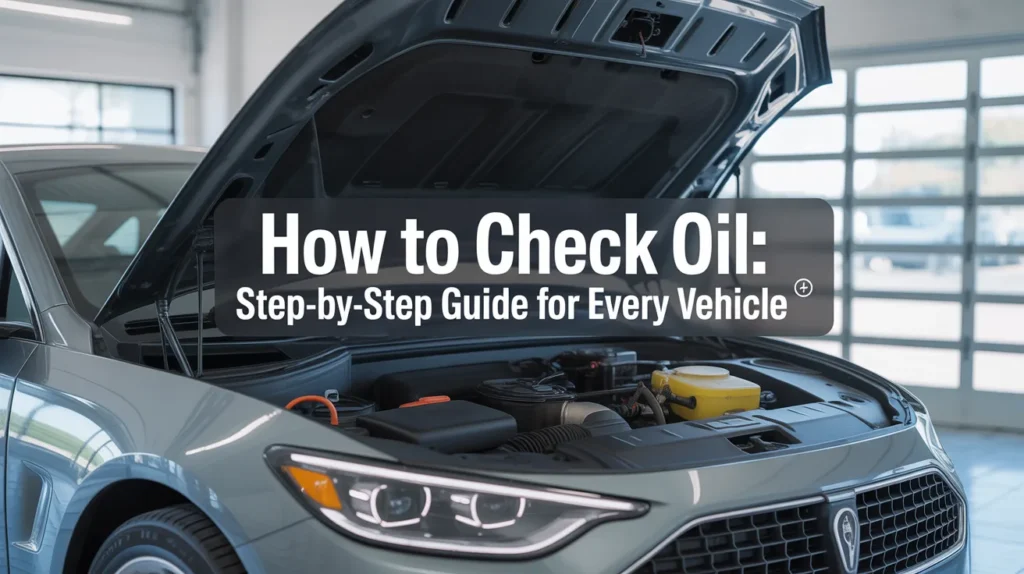
Keeping your vehicle’s engine in top condition starts with monitoring one of its most essential fluids: engine oil. Oil lubricates, cools, and protects engine components, and running your car with low or dirty oil can cause serious damage. In this comprehensive guide, we’ll walk you through how to check oil in any vehicle, what to look for, how to maintain proper oil levels, and common mistakes to avoid.
Why Checking Oil is Crucial for Your Vehicle
Engine oil is more than just a lubricant. It plays a central role in maintaining your engine’s performance:
- Lubrication: Oil forms a protective layer between moving parts, reducing friction and wear. Without proper lubrication, engine parts can grind together, causing serious damage.
- Cooling: Oil absorbs and dissipates heat produced by the engine, helping prevent overheating.
- Cleaning: Oil carries away debris, dirt, and metal particles from the engine, keeping it clean and functioning efficiently.
- Protection Against Corrosion: Engine oil protects metal parts from rust and corrosion caused by moisture and acids.
Neglecting oil maintenance can lead to serious problems:
- Engine overheating
- Reduced fuel efficiency
- Costly repairs or complete engine failure
Even modern vehicles, equipped with warning lights and sensors, rely on regular manual checks to ensure proper oil levels.
When Should You Check Your Oil?
The frequency of oil checks depends on your vehicle and driving habits:
- Before long trips: Ensures your engine won’t face issues on the road.
- At least once a month: Recommended for older vehicles or high-mileage cars.
- Every fuel fill-up: For vehicles prone to consuming or leaking oil.
- When the oil warning light comes on: This is a signal that your engine is low on oil or oil pressure is low.
Remember, consistency is key. Regular checks help detect leaks or excessive oil consumption early, preventing more serious engine issues.
Step-by-Step Guide: How to Check Oil
Checking your engine oil may seem simple, but doing it correctly ensures your vehicle stays in top condition. Follow these steps carefully to accurately measure oil level, inspect its condition, and maintain your engine’s performance. This guide works for how to check oil for nearly every vehicle, whether it’s a car, truck, or SUV.
Step 1: Prepare Your Vehicle
- Park on level ground. Oil will settle evenly, giving a more accurate reading.
- Turn off the engine and wait 5–10 minutes to let the oil drain back into the pan. Checking immediately after driving can give false readings.
- Gather a clean rag or paper towel and your vehicle’s manual for reference.
Step 2: Locate the Dipstick
- Open the hood and locate the engine oil dipstick, usually marked with a bright-colored handle (yellow or orange).
- If your vehicle has multiple dipsticks, refer to the manual to identify the correct one.
- Some modern vehicles do not have a traditional dipstick; in these, oil levels are monitored digitally via the dashboard.
Step 3: Remove and Clean the Dipstick
- Pull the dipstick out completely.
- Wipe it clean with a cloth or paper towel to remove old oil, ensuring the next reading is accurate.
Step 4: Reinsert and Remove the Dipstick
- Reinsert the dipstick fully, making sure it seats properly.
- Pull it out again and inspect the oil level carefully.
Step 5: Check the Oil Level
- Observe the markings: typically labeled Min and Max or with two holes/lines.
- Oil should fall between these marks.
- If the oil level is below the minimum mark, add oil immediately. Low oil can cause severe engine damage.
- Overfilling is also dangerous, as it can create excess pressure, damage seals, and cause leaks.
Step 6: Examine Oil Condition
- The color and texture of oil indicate its condition:
- Light amber and clear: Fresh and healthy oil.
- Dark brown or black: Oil is used and may need changing soon.
- Milky or frothy: Could indicate coolant leaking into the oil—needs immediate attention.
- Gritty texture: Contaminants present; change oil promptly.
- Light amber and clear: Fresh and healthy oil.
- Smell the oil. Burnt-smelling oil may indicate engine overheating or prolonged use past its recommended interval.
Step 7: Add Oil if Needed
- Use only the recommended type and grade specified in your vehicle manual.
- Pour small amounts at a time and recheck levels frequently to avoid overfilling.
- After adding, wait a few minutes and recheck the dipstick to confirm the level is correct.
Step 8: Replace Dipstick and Close Hood
- Ensure the dipstick is seated properly.
- Securely close the hood. Always double-check that the hood latch is fully engaged.
Tips for Accurate Oil Checking
Checking your engine oil correctly is more than just pulling out the dipstick. Small habits and careful techniques can make your readings more reliable and prevent engine problems. Follow these practical tips to ensure you always get an accurate measurement:
- Check oil at the same time of day: Preferably in the morning when the engine is cool. This ensures more consistent readings.
- Always check on a level surface: A sloped driveway or uneven ground can give false readings.
- Avoid overfilling: Too much oil can damage seals, filters, and even the catalytic converter.
- Keep a small oil bottle in your trunk: This is useful for emergencies if your oil level runs low while on the road.
- Track oil checks in a maintenance log: Record the date, oil level, and condition to monitor trends and catch potential issues early.
Common Mistakes to Avoid
Even experienced vehicle owners sometimes make errors when checking oil. Avoiding these common mistakes will help protect your engine and ensure accurate readings every time:
- Checking oil immediately after driving: Hot oil sticks to engine parts, leading to inaccurate measurements.
- Ignoring oil color and texture: Even if the level appears correct, dirty or contaminated oil can harm your engine.
- Using the wrong oil type: Always follow the manufacturer’s recommended viscosity and type.
- Overfilling: Too much oil can cause foaming, loss of lubrication, and engine damage.
- Neglecting digital oil level checks: Some modern vehicles require you to reset or calibrate digital sensors for accurate readings.
Understanding Your Vehicle’s Oil System
Modern engines are equipped with advanced oil monitoring systems, but manual checks remain important:
- Oil sensors: Monitor pressure and level, triggering dashboard warnings.
- Oil filter: Captures impurities; should be replaced at every oil change.
- Oil type: Conventional, synthetic, or blend—each has specific benefits.
Knowing how your engine uses and maintains oil helps you take proactive steps for longevity and performance.
When to Change Engine Oil
Even if the oil level is adequate, it may still need changing. Signs include:
- Engine knocking or unusual noise
- Smoke from exhaust
- Burnt oil smell
- Dashboard oil warning light
Typical oil change intervals:
- Conventional oil: Every 3,000–5,000 miles
- Synthetic oil: Every 7,500–10,000 miles
- High-performance engines: Follow the manufacturer’s guidelines closely
Always check your owner’s manual for vehicle-specific recommendations.
Conclusion on how to check oil
Learning how to check oil is an essential skill for every vehicle owner. Regular checks and monitoring oil condition can:
- Prevent costly engine repairs
- Extend engine life
- Improve fuel efficiency
- Ensure smooth, safe performance
Make it a habit to inspect both the level and condition of your engine oil. Keep the correct oil type on hand, record checks in a maintenance log, and address any unusual signs immediately. A little attention today can save you from major repairs tomorrow.