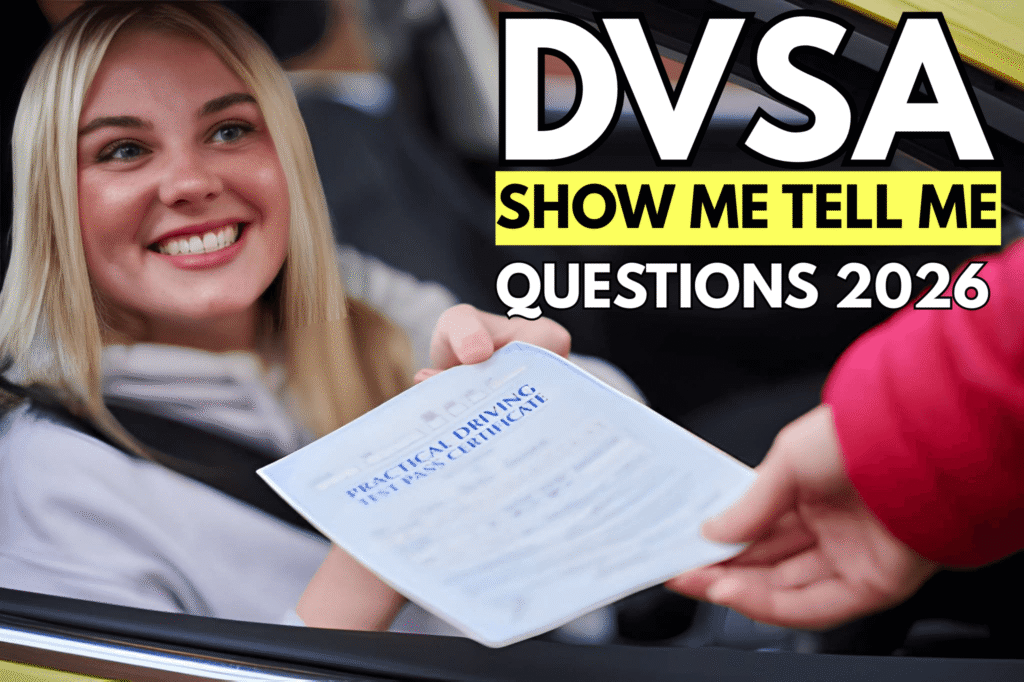
The Show Me Tell Me questions are a mandatory part of the DVSA UK practical driving test and are designed to assess your understanding of basic vehicle safety. In 2026, these questions remain an essential requirement for all learner drivers, helping the DVSA ensure that new drivers can carry out simple but important safety checks before and during a journey.
During your driving test, the examiner will ask you two Show Me, Tell Me questions—one at the start of the test and one while you are driving. While they may seem straightforward, answering incorrectly can result in a driving fault, which could affect your overall test result.
This complete guide for UK driving learners explains what the DVSA Show Me, Tell Me questions are, why they matter, and how to prepare effectively. You’ll learn what examiners expect, how to practise using real car controls, and how to approach the questions with confidence on test day.
By understanding the DVSA requirements and practising all 14 official Show Me, Tell Me questions, you can reduce stress, avoid common mistakes, and approach your practical driving test in 2026 feeling fully prepared and confident.
What Are Show Me Tell Me Questions?
The Show Me, Tell Me questions are a set of vehicle safety questions included in the UK practical driving test. They are split into two types:
- Tell Me questions – where the examiner asks you to explain how you would carry out a safety task before you start driving.
- Show Me questions – where you are asked to demonstrate how you would carry out a safety task while you are driving.
These questions are intended to ensure that you understand basic vehicle checks that help keep you and other road users safe.
Why Do These Questions Matter?
Although Show Me, Tell Me questions make up only a small part of the UK practical driving test, they play an important role in assessing whether a learner is ready to drive safely and responsibly. These questions are not designed to catch you out or test advanced mechanical knowledge. Instead, they focus on basic safety awareness and everyday vehicle checks that all drivers should understand before driving on public roads.
Safety Awareness
Show Me, Tell Me questions assess your knowledge of essential vehicle safety procedures. This includes understanding how to check brakes, tyres, lights, indicators, fluid levels, and visibility features such as wipers and demisters. These checks help ensure your vehicle is roadworthy and safe to drive. A driver who understands these basics is less likely to experience avoidable breakdowns, mechanical failures, or dangerous situations on the road.
Exam Preparedness and Confidence
Being confident with Show Me, Tell Me questions helps reduce stress and anxiety on test day. When you know exactly what to say and how to demonstrate each task, you can focus more on your driving rather than worrying about being caught off guard. Confident, clear answers also show the examiner that you are well prepared, organised, and comfortable with your vehicle — all positive indicators of a safe driver.
Real-World Driving Skills
These questions are not just about passing the test; they reflect skills you will use throughout your driving life. Regularly checking tyre tread, ensuring lights are working, and knowing when to use features like fog lights or demisters are all part of responsible vehicle ownership. Learning these skills early helps build good driving habits that improve safety long after the test is over.
Impact on Your Test Result
It is important to remember that Show Me, Tell Me questions are mandatory. While a single incorrect answer may only result in a minor fault, mistakes can contribute to an overall test fail when combined with other driving errors. Proper preparation ensures you avoid unnecessary faults and gives you the best possible chance of passing your test.
The 2026 Show Me Tell Me Questions (Full List)
The list of DVSA Show Me, Tell Me questions is updated from time to time. As of 2026, these are the current questions you need to know:
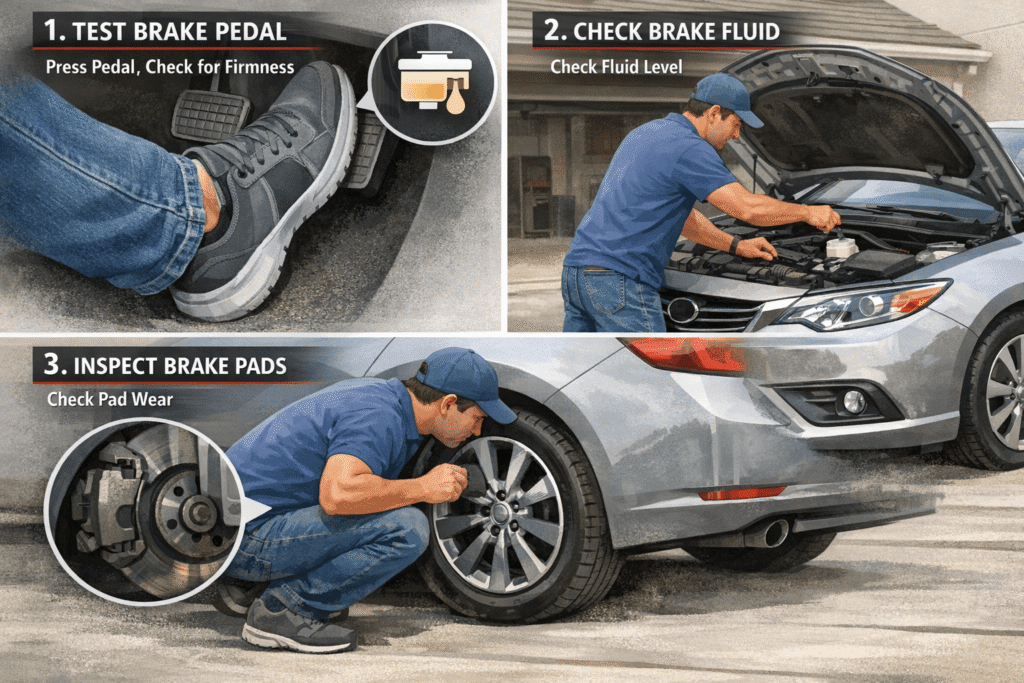
Tell me how you’d check the brakes are working
To check that the brakes are working, I would press the brake pedal to make sure it does not feel spongy or slack. As I set off, I would test the brakes gently by applying pressure to confirm the vehicle slows down properly and does not pull to one side.
A vehicle pulling to one side could indicate uneven braking or a fault, which must be checked before driving.
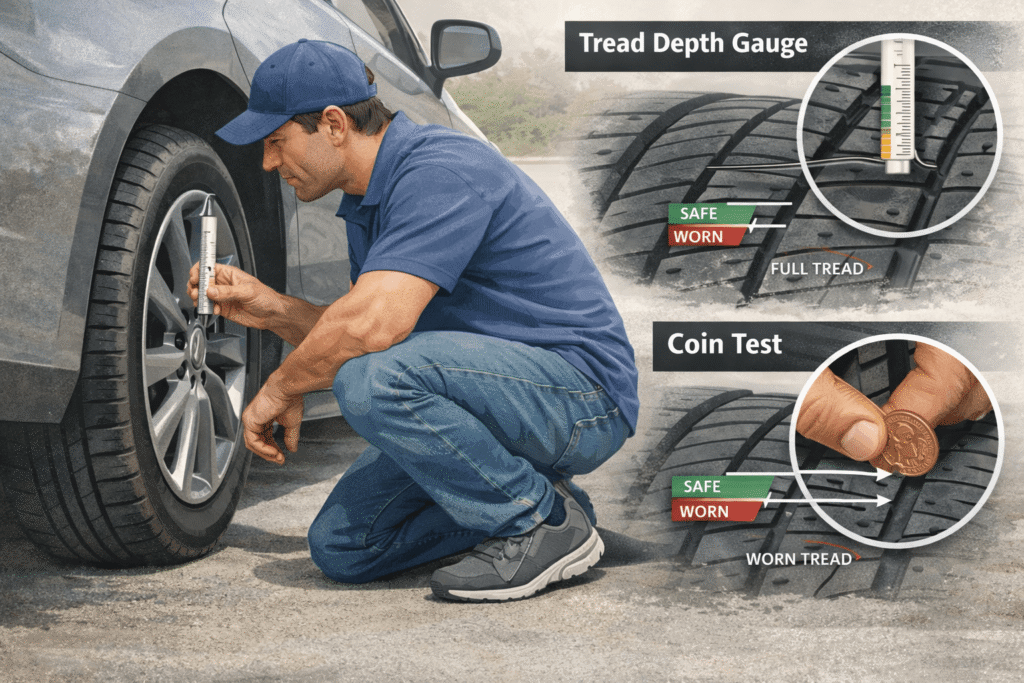
Tell me how you’d check tyre tread depth
I would check that the tyres have no cuts or bulges and that the tread depth is at least 1.6mm across the central three-quarters of the tyre, around the entire circumference.
A simple method is using a 20p coin. If the outer band of the coin is visible when placed into the tread, the tyre may be below the legal limit and should be replaced.
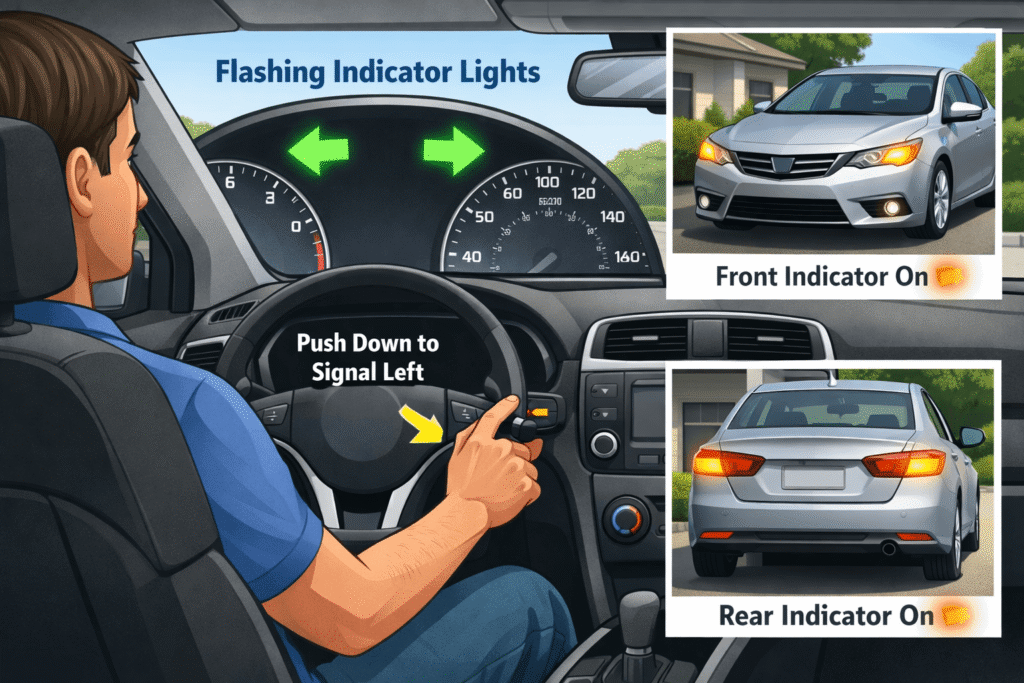
Show me how you’d check the indicators
I would turn on the ignition and operate the indicator stalk to activate the indicators. I would then walk around the vehicle to check that the front and rear indicators are flashing correctly.
If walking around is not possible, I would check reflections in windows or nearby surfaces to confirm they are working.
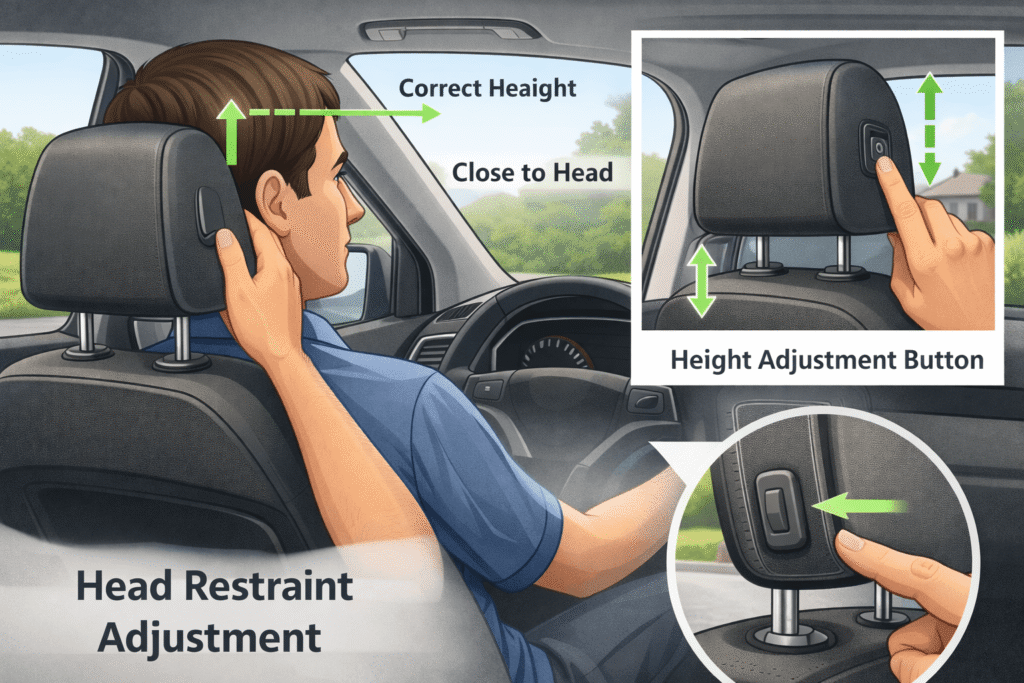
Tell me how you’d check head restraint adjustment
The head restraint should be adjusted so the rigid part is at least as high as my eyes or the top of my ears, and positioned as close to the back of my head as is comfortable.
Correct adjustment helps reduce the risk of whiplash injury in the event of a collision.
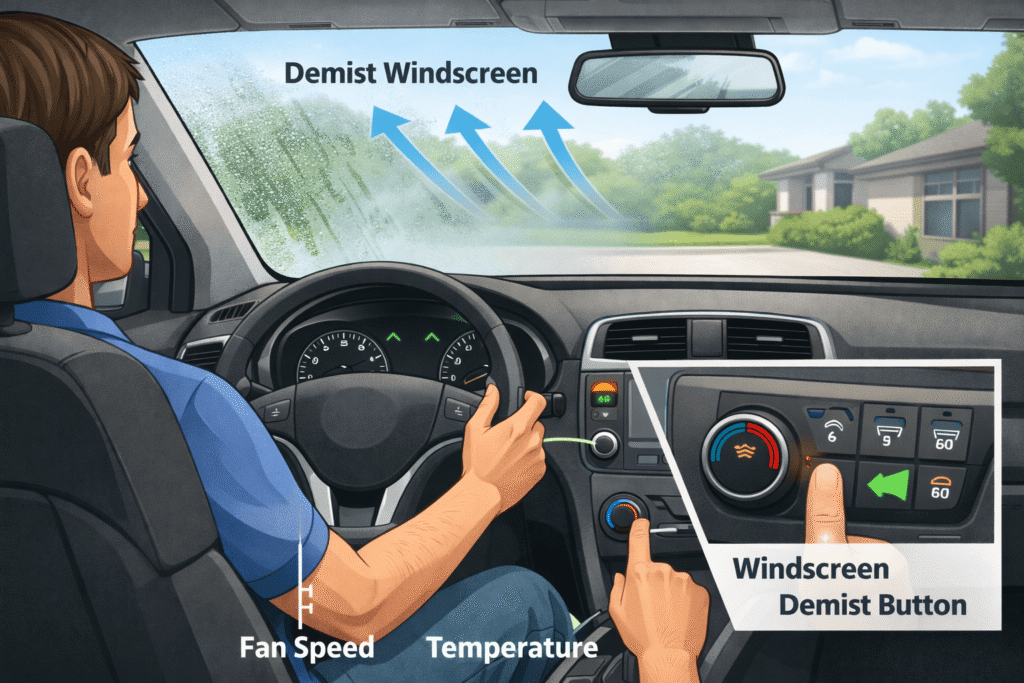
Show me how you’d demist the windscreen
I would turn on the ignition, set the fan to direct air towards the windscreen, and select the demist setting (usually shown by a curved arrow symbol).
I would also turn on the heating and air conditioning, if available, to remove condensation as quickly and effectively as possible.
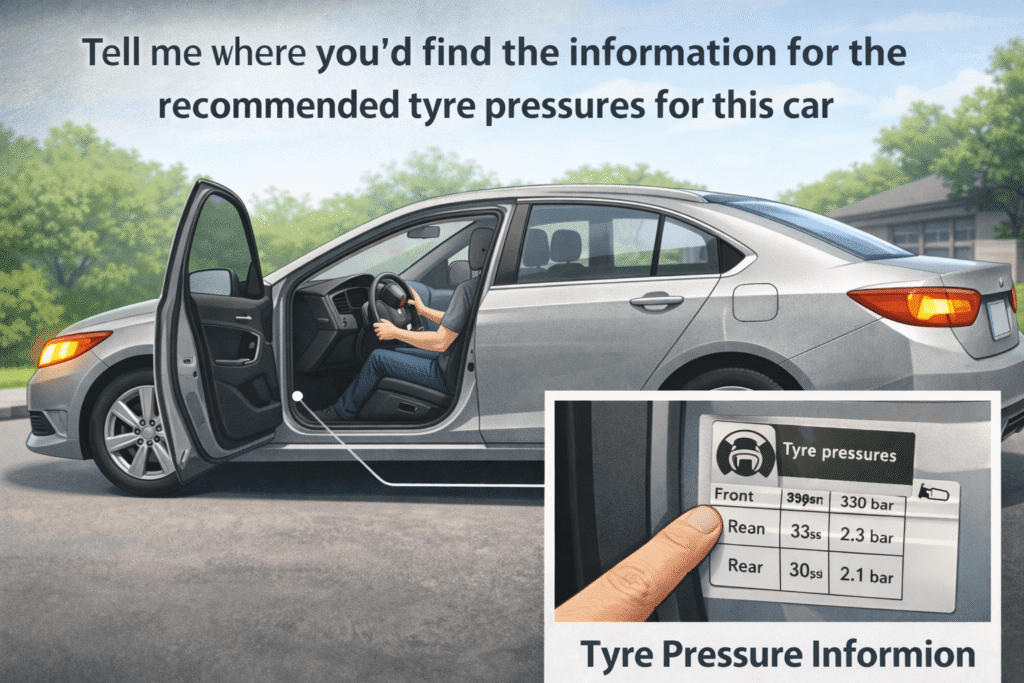
Tell me where tyre pressure information is found
Tyre pressure information can be found in the manufacturer’s handbook, on a sticker inside the driver’s door frame, or inside the fuel filler cap.
Tyre pressures should be checked using a reliable pressure gauge when the tyres are cold for accurate readings.
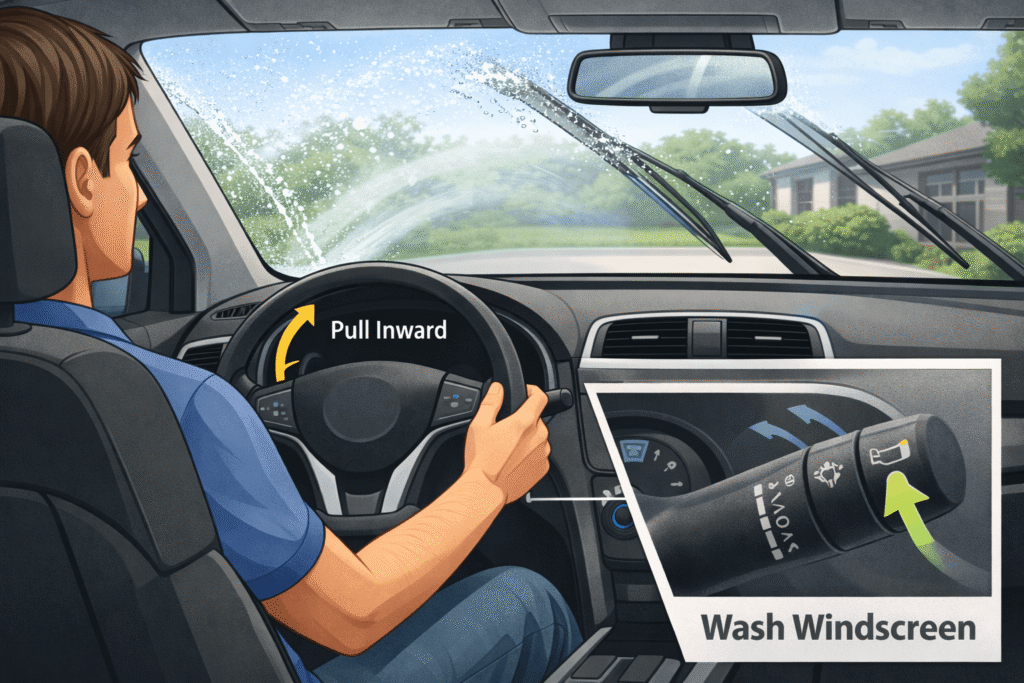
Show me how you’d wash the windscreen
I would turn on the ignition and operate the windscreen washer control. I would then activate the washers and wipers, ensuring washer fluid sprays onto the windscreen and the wipers clean it effectively.
Before driving, I would also make sure there is enough washer fluid in the reservoir.
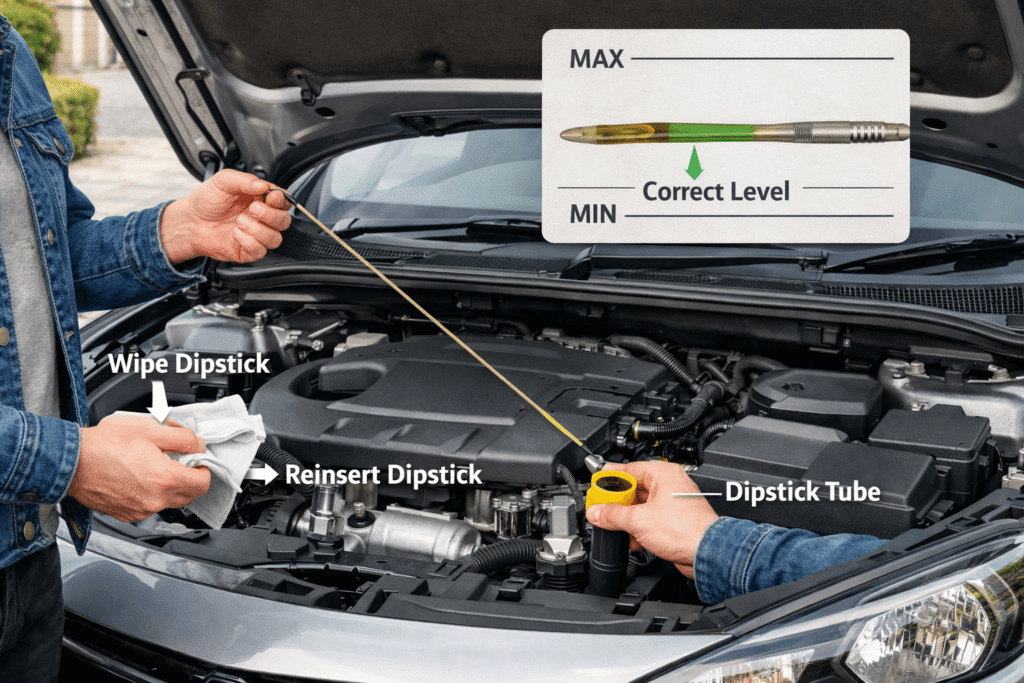
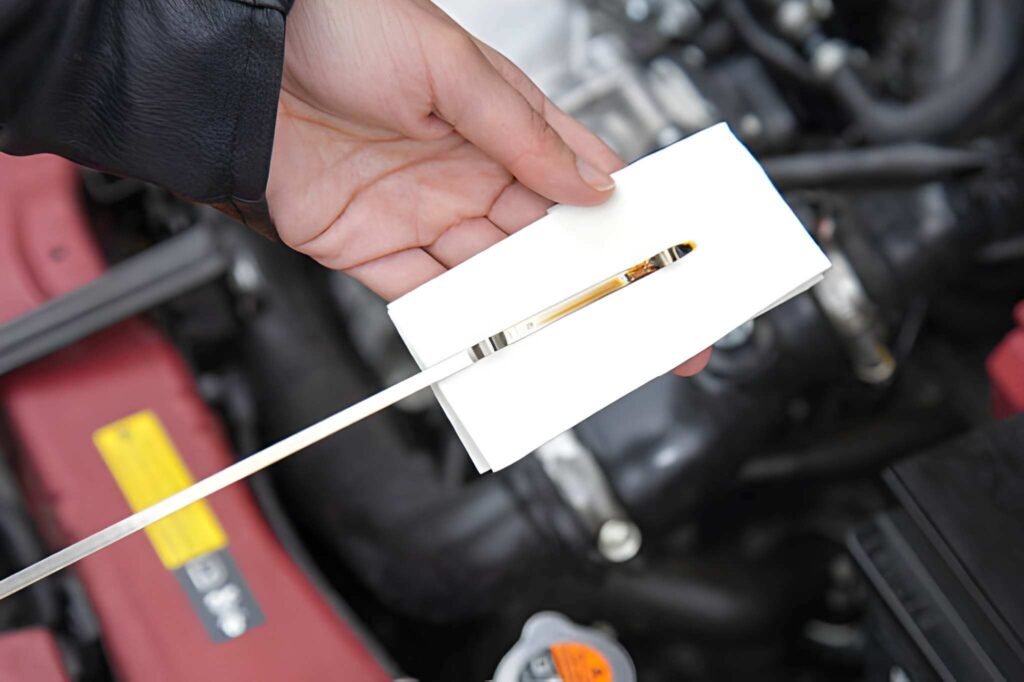
Tell me how you’d check oil level
I would park the car on level ground and allow the engine to cool. I would then remove the dipstick, wipe it clean, reinsert it fully, and remove it again to check the oil level.
The oil level should be between the minimum and maximum markings on the dipstick.
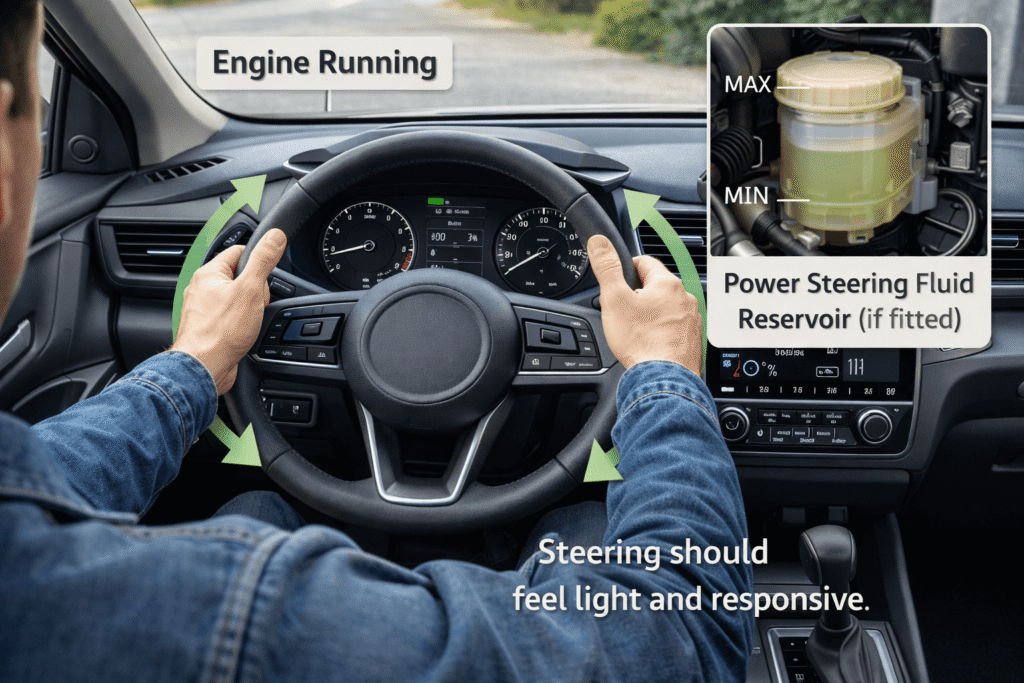
Show me how you’d check power steering
I would start the engine and gently turn the steering wheel. The steering should feel light and easy to turn.
If the steering feels heavy or difficult to move, this may indicate a fault with the power steering system.
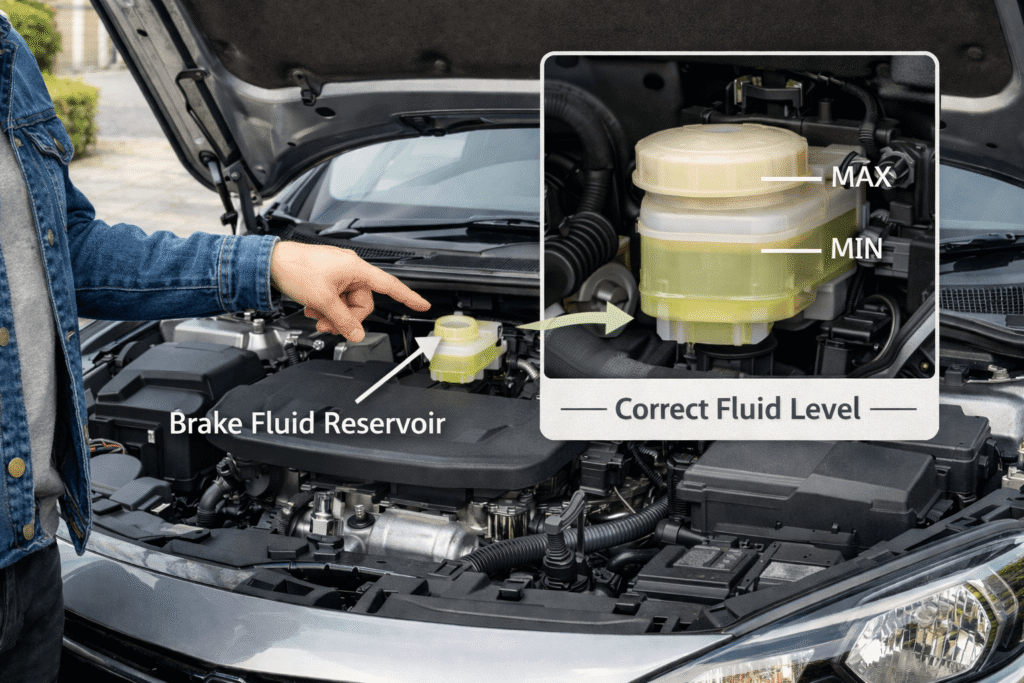
Tell me how you’d check brake fluid
I would open the bonnet and locate the brake fluid reservoir. I would check that the fluid level is between the minimum and maximum markings on the reservoir.
If the level is too low, it could indicate a leak or worn brake components and should be checked by a professional.
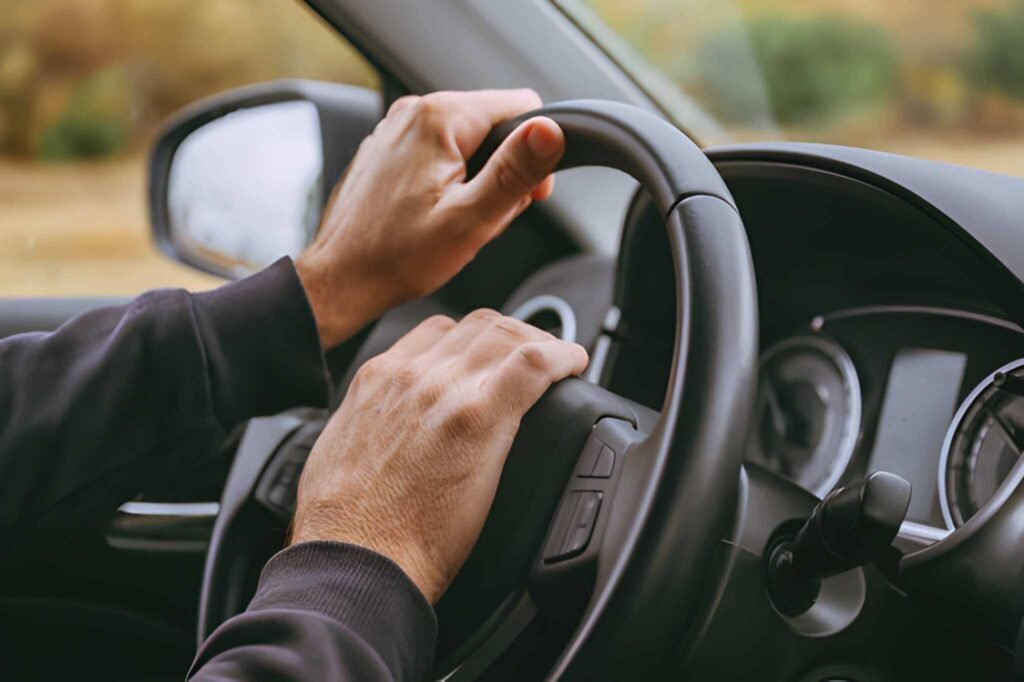
Show me how you’d check the horn
To check the horn, I would turn on the ignition and briefly press the horn to make sure it works. I would do this quickly and carefully to avoid causing unnecessary noise or disturbing other people nearby. A working horn is important so I can warn other road users if needed.
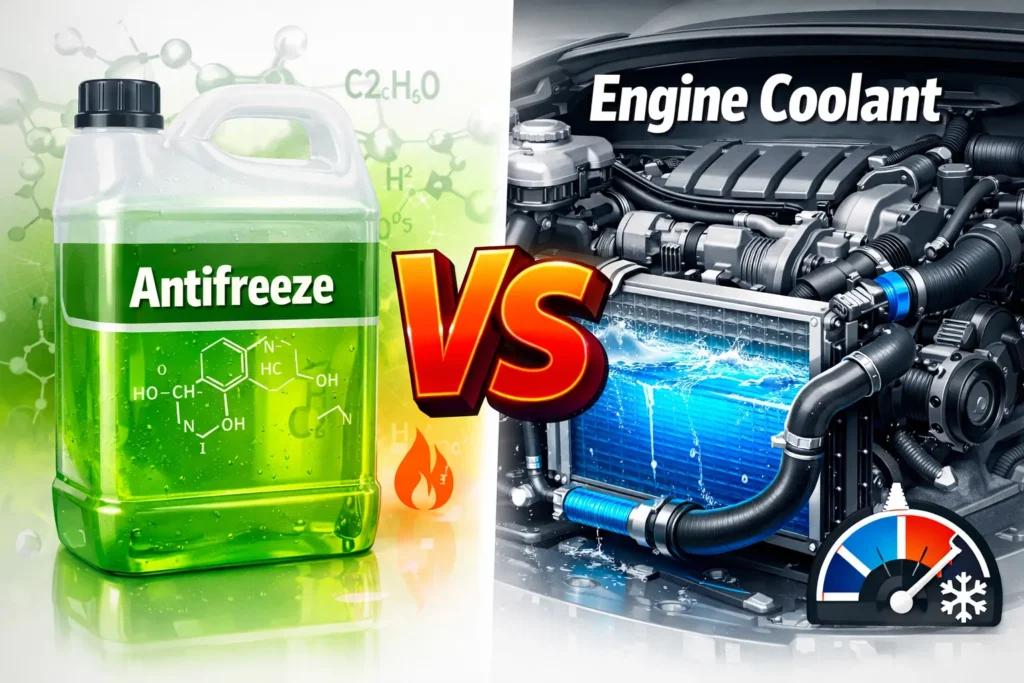
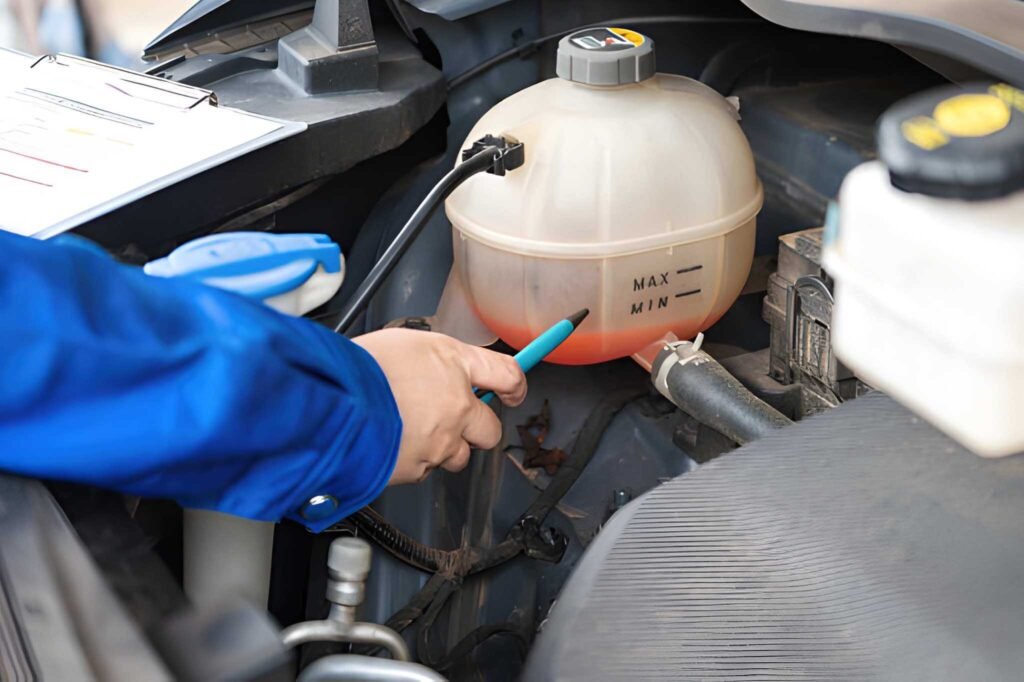
Tell me how you’d check coolant level
I would check the coolant level in the expansion tank when the engine is cold. The coolant should be between the minimum and maximum level markings.
I would never open the coolant cap when the engine is hot, as this can be dangerous.
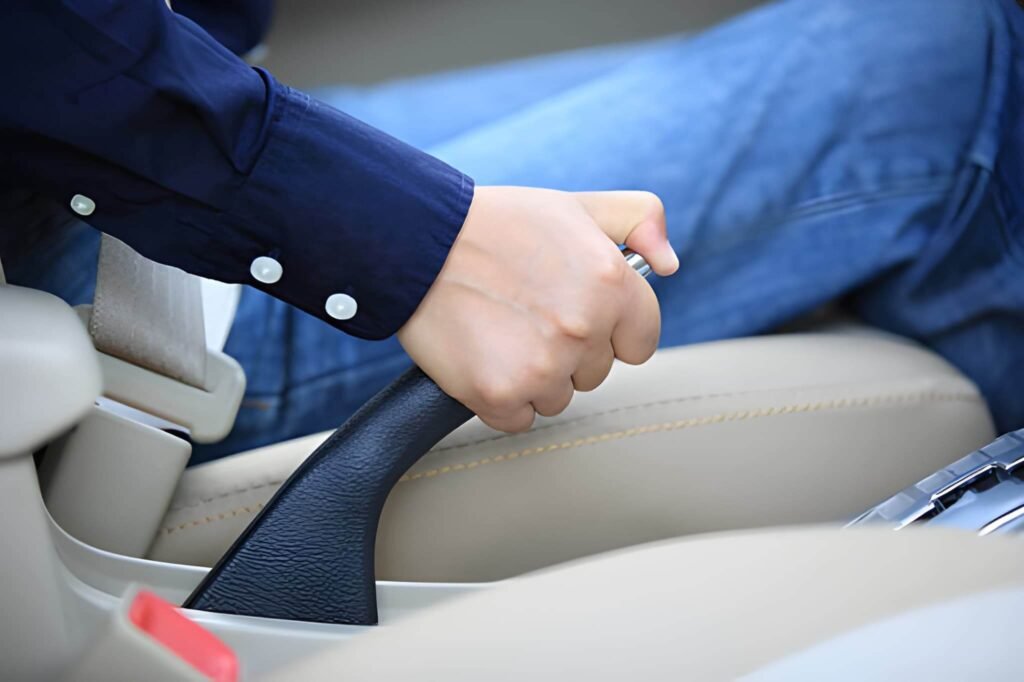
Show me how you’d check the parking brake
I would apply the parking brake to make sure it secures the vehicle properly. The vehicle should not roll, especially on a slope.
When released, the parking brake should disengage fully, allowing the vehicle to move freely.
Tell me how you’d check the engine has oil
To check that the engine has oil, I would use the dipstick with the engine cold and the car parked on level ground. I would make sure the oil level is between the minimum and maximum marks. I would also ensure that the correct grade of oil is used for the vehicle, as using the wrong oil can damage the engine.
How to Answer Tell Me Questions Correctly
Tell Me questions are verbal explanations before you start driving. The key to answering them well is clarity, safety focus, and step-by-step logic.
Example: ‘Tell me how you’d check the brakes are working before starting a journey.’
Incorrect: “By pushing them once or twice.”
Correct: “I would press the brake pedal after moving off slightly — it should feel firm and not spongy. If the brakes were faulty, they would feel soft or uneven.”
Tips for Tell Me Questions:
- Keep your answer structured: What you check, How you check it, What you expect to see or feel.
- Use clear and confident language.
- Never guess—if you don’t know, explain what you would check and note that you would seek further guidance.
How to Complete Show Me Questions Correctly
Show Me questions are demonstrated while driving and require smooth, safe execution without distracting you from driving tasks.
Example: ‘Show me how you’d wash and clean the front windscreen.’
Correct Approach:
- Choose a safe moment with low traffic.
- Apply the windscreen washer/wiper control.
- Keep both hands on the wheel or return to a safe steering position after operating the control.
- Complete the demonstration smoothly.
Tips for Show Me Questions:
- Only attempt the action when it’s safe and will not distract your driving.
- Perform each action deliberately and confidently.
- If you miss a step, calmly complete it — safety matters more than speed.
Common Mistakes Learners Make
Even well-prepared learners can make errors on these questions. Here are frequent pitfalls:
- Giving incomplete answers: Not explaining the steps clearly.
- Rushing through demonstrations: Trying to finish quickly under pressure.
- Forgetting key safety points: Such as tyre tread depth, fluid levels, or signal checks.
- Not using real car controls in practice: Being unfamiliar with your own vehicle’s controls.
Top Tips to Prepare for Show Me, Tell Me Questions
Preparing properly for your Show Me, Tell Me questions can make a big difference on driving test day. These questions are designed to check your understanding of basic vehicle safety, not to trick you. With regular practice and the right approach, you can answer confidently and avoid unnecessary driving faults.
1. Practice All 14 Questions Regularly
The DVSA uses a fixed list of 14 Show Me, Tell Me questions, so there are no surprises if you prepare correctly. Simply reading through them once is not enough. Repetition helps you remember the wording and the correct steps under pressure.
Using a printed or digital checklist allows you to track which questions you are confident with and which ones need more work. Practising little and often builds muscle memory and confidence, making your answers feel natural on test day.
2. Use Real Car Controls Whenever Possible
Learning answers from a book or screen is helpful, but nothing replaces hands-on practice. Each car model is different, so knowing where the buttons, levers, and controls are in your own vehicle is essential.
Spend time sitting in the driver’s seat and physically locating controls such as the demister, headlights, horn, bonnet release, and windscreen washers. This helps you respond quickly and safely when asked to “show” something during the test without looking unsure or distracted.
3. Explain Every Step Clearly and Confidently
For Tell Me questions, examiners are listening for understanding, not just memorised words. When practising, focus on explaining why each step matters for safety as well as what you are doing.
For example, when checking oil, explain that the engine should be cold and the car on level ground to get an accurate reading. Clear explanations show the examiner that you understand how vehicle safety checks protect you and other road users.
4. Stay Calm and Take Your Time on Test Day
Nerves are one of the biggest reasons learners make mistakes. Rushing an answer or panicking can cause you to forget simple steps you already know well.
Before the test, take a few deep breaths and remind yourself that these questions are a small part of the overall exam. Examiners are not expecting perfection — they want to see safe knowledge and a calm attitude. If you stay relaxed and focused, your preparation will naturally come through.
Conclusion
Show Me, Tell Me questions are a small but important part of your UK driving test. With thorough preparation, clear explanations, and regular practice using checklists and real car controls, you can tackle them confidently. Remember: these questions are not meant to trick you — they are there to ensure you understand basic vehicle safety that matters every time you drive.
Prepare well, practice regularly, and take your UK driving test with confidence in 2026. You’ve got this!